
Sustainable Development Goals
Sustainable Development Goals
4: Quality Education
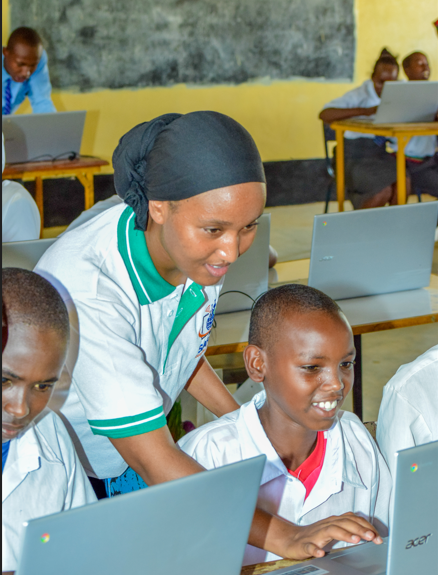
Access to education and access to quality education are not the same thing. The organization contributes to SDG 4 by expanding access to quality education through digital literacy programs, ICT infrastructure, and capacity building for both students and teachers. By establishing ICT hubs in underserved schools and providing training on digital skills, the organization equips learners with the knowledge and competencies needed to succeed in an increasingly digital world. These initiatives enhance learning outcomes, improve access to educational resources, and prepare young people for higher education and future employment opportunities.

5: Gender Equality
The organization advances SDG 5 by promoting the education and empowerment of girls and young women, particularly those in marginalized communities. Through initiatives that support girls' access to education, digital skills, and menstrual health awareness, the organization works to remove barriers that prevent girls from reaching their full potential. Special attention is given to vulnerable groups, including teenage mothers and at-risk girls, ensuring they have equal opportunities to learn, develop skills, and participate meaningfully in society.

9: Industry, Innovation and Infrastructure
Infrastructure is destiny. Communities without reliable electricity, internet connectivity, or access to technology are communities that cannot fully participate in the industries, innovations, and opportunities that define the contemporary economy. This initiative treats digital infrastructure not as a privilege for well-resourced schools, but as a basic necessity for every learning community. By installing solar-powered ICT hubs, providing internet connectivity, and equipping students with devices and training, the programme builds the foundational layer upon which future innovation can grow. Students who learn in these environments develop not only technical skills but a digital confidence, a comfort with technology as a tool for problem-solving, that positions them to become contributors to, rather than bystanders of, Kenya's growing digital economy. The infrastructure this initiative creates will serve communities for years, providing a platform for opportunities that do not yet exist.

10: Reduced Inequalities
Perhaps the most fundamental injustice of the digital divide is this: the communities that most need access to opportunity are precisely the ones with the least access to the tools that create it. The organization contributes to SDG 10 by ensuring that underserved and marginalized populations have access to educational and digital opportunities that are often concentrated in urban or more developed areas. By focusing on remote communities, vulnerable youth, and disadvantaged groups, the organization helps reduce disparities in access to technology, information, and skills development. Its programs empower individuals to overcome social and economic barriers, creating more equitable opportunities for personal growth, education, and future employment.